Narcolepsy Type 1 vs Type 2: What’s the Difference?
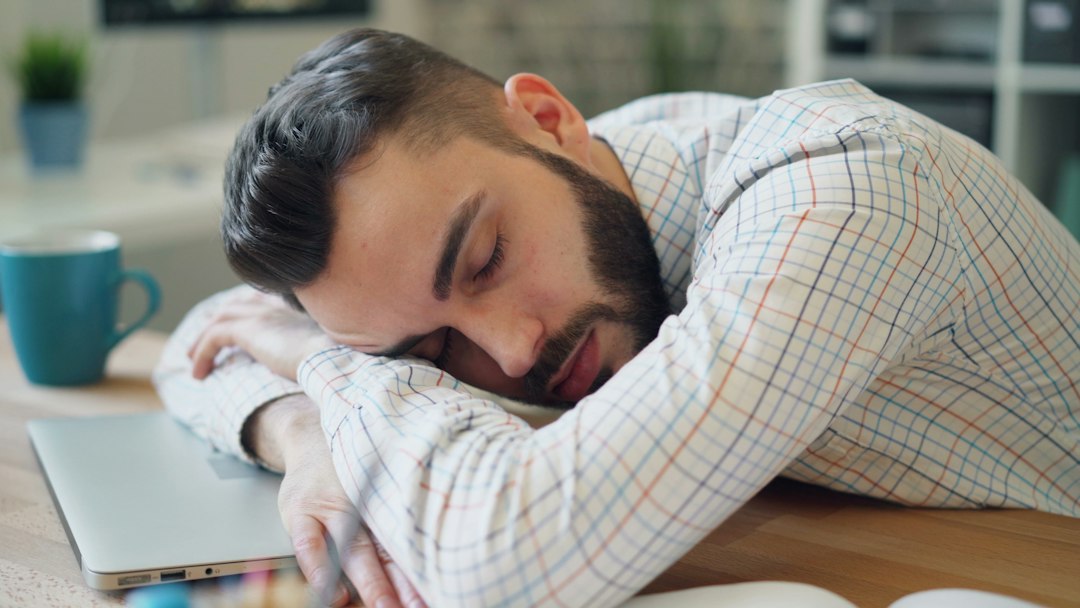
The main difference between narcolepsy type 1 and type 2 comes down to cataplexy and hypocretin. Type 1 involves cataplexy, a sudden loss of muscle tone triggered by strong emotion, or a measurable shortage of hypocretin, a brain chemical that helps regulate wakefulness. Type 2 involves the same overwhelming daytime sleepiness without either one.[1][2]
Both types are lifelong sleep disorders, and both can get in the way of work, school, and driving. A narcolepsy specialist can sort out which type fits through sleep testing, and the distinction matters because it shapes how the diagnosis is confirmed and how treatment is planned.
What the two types share
Excessive daytime sleepiness drives both diagnoses. The criteria call for daily periods of an irrepressible need to sleep, or lapses into sleep, lasting at least three months.[2] Fragmented nighttime sleep can show up in either type as well.[2]
Because sleepiness is the common thread, safety questions apply no matter which type you have. Our guide to driving with narcolepsy in Maryland covers the state’s rules in detail.
Narcolepsy type 1: cataplexy or low hypocretin
Type 1 was formerly called narcolepsy with cataplexy.[4] Cataplexy is a brief, sudden loss of muscle tone while you stay awake and aware. Laughter, surprise, or other strong emotions typically set it off. For some people it shows up as a sagging jaw or buckling knees. For others it is a full collapse.
Type 1 reflects a deficiency in hypocretin, also called orexin, a signaling chemical made in the hypothalamus.[3] Along with sleepiness and cataplexy, people with type 1 often have sleep paralysis, vivid hallucinations as they fall asleep or wake up, and disrupted nighttime sleep.[3]
Here is a detail many people miss: you can have type 1 without cataplexy. Under the current criteria, a low hypocretin level in spinal fluid, below 110 pg/mL or less than one third of normal values, is enough for a type 1 diagnosis when it comes with the daily sleepiness.[2] That is why the name changed from “with cataplexy” to “type 1.” The underlying hypocretin deficiency, not just the muscle symptom, defines this type.[4]
Narcolepsy type 2: sleepiness without cataplexy
Type 2 was formerly called narcolepsy without cataplexy.[4] To diagnose it, doctors look for the same daily sleepiness and the same nap-test findings as type 1, but without cataplexy. Hypocretin is either normal or was never measured.[2]
Doctors also have to rule out other causes of sleepiness before landing on type 2. Untreated sleep apnea, too little sleep, shift work, and medications can all produce similar test results.[4] The cause of type 2 is less well understood, and researchers continue to debate how well the current criteria capture it.[3]
How doctors tell the two apart
The workup is similar for both types. It usually starts with an overnight sleep study, followed the next day by a multiple sleep latency test (MSLT). During the MSLT, you get several scheduled nap opportunities while sensors measure how fast you fall asleep and how quickly REM sleep begins. Narcolepsy criteria call for an average sleep latency of 8 minutes or less and at least two sleep-onset REM periods. REM sleep within 15 minutes of falling asleep on the overnight study can stand in for one of them.[2] Our post on why narcolepsy takes so long to diagnose covers the testing process in more detail.
A positive nap test does not tell you which type you have. What separates them is cataplexy and hypocretin. When cataplexy is absent or the picture is unclear, a doctor may recommend measuring hypocretin in spinal fluid, which requires a lumbar puncture and is considered more definitive than repeating nap tests.[4] A genetic marker called HLA-DQB1*06:02 is strongly associated with type 1 and can support the diagnosis, though it cannot make it alone.[3]
Why type 2 is harder to pin down
Test results in type 2 are less consistent over time. In one study of patients who had two nap tests, unmedicated patients with type 1 met narcolepsy criteria on both tests 78% of the time. For type 2, the figure was 18%.[4] On repeat testing, results in people diagnosed with type 2 shifted to idiopathic hypersomnia criteria about 26% of the time and to a negative test about 57% of the time.[4] The authors note that the retrospective design limits how far those numbers can be pushed.
A five-year follow-up study of 111 patients with type 1 and 46 with type 2 found a similar pattern. Type 1 findings were very reproducible year to year, while type 2 showed clear clinical and test variability. By year five, 17.6% of patients with type 2 no longer met the diagnostic criteria.[5] For that reason, a specialist may revisit a type 2 diagnosis over time rather than treating it as settled.
Does the type change treatment?
Somewhat. Treatment for both types centers on managing daytime sleepiness, and type 1 adds treatment for cataplexy.[2] Beyond that, the plan depends on your symptoms, other health conditions, and your test results, so it is worked out with your physician.
When to get evaluated
If you have daily sleepiness that sleep does not fix, especially alongside sudden muscle weakness when you laugh, sleep paralysis, or vivid hallucinations at the edges of sleep, ask for an evaluation by a board-certified sleep medicine physician. Sleepiness has many causes, and narcolepsy is only one of them, so testing is the only reliable way to know which one you are dealing with.
References
- Sateia MJ. International classification of sleep disorders-third edition: highlights and modifications. Chest. 2014;146(5):1387-1394. https://doi.org/10.1378/chest.14-0970
- Khan Z, Trotti LM. Central disorders of hypersomnolence: focus on the narcolepsies and idiopathic hypersomnia. Chest. 2015;148(1):262-273. https://doi.org/10.1378/chest.14-1304
- Bassetti CLA, Adamantidis A, Burdakov D, et al. Narcolepsy: clinical spectrum, aetiopathophysiology, diagnosis and treatment. Nat Rev Neurol. 2019;15(9):519-539. https://doi.org/10.1038/s41582-019-0226-9
- Ruoff C, Pizza F, Trotti LM, et al. The MSLT is repeatable in narcolepsy type 1 but not narcolepsy type 2: a retrospective patient study. J Clin Sleep Med. 2018;14(1):65-74. https://doi.org/10.5664/jcsm.6882
- Huang YS, Guilleminault C, Lin CH, et al. Multiple sleep latency test in narcolepsy type 1 and narcolepsy type 2: a 5-year follow-up study. J Sleep Res. 2018;27(5):e12700. https://doi.org/10.1111/jsr.12700
Ready to sleep better?
Good sleep hygiene is a foundation, not a cure-all. If you’re following these tips and still can’t sleep, wake up exhausted, or experience daytime sleepiness, you might have a sleep disorder.
That’s where we come in.
At the Center for Sleep & Wake Disorders, we have been diagnosing and treating the full range of sleep conditions—from insomnia to sleep apnea to narcolepsy—in the DC area since 1995. Our board-certified, AASM-accredited physicians use in-lab sleep studies to identify what’s really going on, then create a personalized treatment plan to help you get the sleep you deserve.
Disclaimer: This content is for general information only and is not medical advice. Always consult your physician for diagnosis or treatment.